
Round betting risks and rewards
Combat sports wagering has expanded well beyond basic win-or-lose propositions, creating specialized markets that reward detailed fight analysis and genuine expertise. Predicting the exact moment a contest concludes represents one of the most demanding yet potentially profitable options available to American bettors today. This comprehensive guide examines every aspect of timing-based wagering in Boxing and MMA, covering fundamental concepts through advanced tactical approaches that experienced handicappers employ to gain edge against bookmakers.
🎯 What round betting means for Boxing and MMA
When you wager on which specific round betting Boxing round a fight will conclude, you enter territory demanding genuine expertise and deep fight knowledge. Unlike simply picking a winner, this market requires understanding fighter tendencies, physical conditioning, stylistic matchups, and psychological factors influencing when stoppages occur. The appeal remains straightforward: higher risk creates higher potential returns, with exact-round selections frequently paying odds that dwarf standard moneyline returns.
Boxing and MMA present distinct challenges within this betting category. Professional boxing matches span four, six, eight, ten, or twelve rounds depending on bout significance, while MMA contests typically feature three or five rounds of varying duration. Each format creates unique timing-pressure cycles that knowledgeable bettors learn to recognize and exploit effectively.
Why round bets differ from moneyline and totals
Moneyline betting asks one question: who wins? Totals markets focus on whether fights exceed or fall short of set round numbers. What is round betting in Boxing by comparison? It functions as a precision instrument requiring you to pinpoint not just the outcome, but the exact moment that outcome occurs.
This distinction matters enormously for bankroll management and expected value calculations. A moneyline favorite at -300 requires risking $300 to win $100, limiting profit potential even when analysis proves correct. That same fighter finishing in round three might pay +600 or higher, transforming accurate predictions into substantial returns.
The trade-off involves variance. Moneyline bets on quality fighters can maintain win rates above 60% for skilled handicappers, while exact-round accuracy rarely exceeds 15-20% even among sharp bettors. Understanding this mathematical reality separates sustainable round betting approaches from gambling without strategy.
📌 Understanding round betting in combat sports
Mastering this specialized market requires grasping both the mechanics of how these wagers work and the strategic thinking that separates profitable bettors from casual gamblers. Round betting offers substantially higher payouts than traditional markets precisely because predicting exact fight endings demands deeper analysis and accepts greater uncertainty. The following sections break down essential concepts that every serious combat sports bettor must understand before placing timing-based wagers.
What round betting is and why it matters
Round betting on Boxing represents a market where you wager on which numbered round will see the contest officially concluded. This includes knockouts, technical knockouts, disqualifications, corner stoppages, and referee interventions. If fights reach decisions, most sportsbooks grade these wagers as losses unless you specifically selected “goes the distance” options.
The importance of this market extends beyond individual wager potential. Developing skill in timing-sensitive outcomes improves overall fight analysis, helping bettors identify patterns informing other markets. A handicapper understanding why certain fighters finish opponents in middle rounds possesses insights applicable to over/under betting, method of victory markets, and live wagering adjustments.
Types of round bets: exact round, over/under, even/odd
Exact round bets specify precisely which round ends the fight. Selecting “Fighter A by KO/TKO Round 4” wins only if that specific outcome occurs in that exact frame. These bets carry the highest risk and reward profile, with odds frequently ranging from +800 to +3000 depending on probability assessments.
Grouped rounds reduce precision requirements while maintaining attractive payouts. Rather than selecting round four specifically, you might wager on “rounds 4-6” as a single outcome. This approach acknowledges exact-round prediction difficulty while targeting the general fight timeline your analysis suggests.
Over/under round betting Boxing markets set lines typically at half-rounds to avoid pushes, asking whether fights exceed that duration. Even/odd bets offer near-coin-flip odds with slight juice, asking whether finishing rounds will be numbered evenly or oddly.
| 🎯 Bet Type | 📝 Example Selection | 💵 Odds (USD) | 💰 $100 Return | ₿ BTC Payout |
|---|---|---|---|---|
| Exact round | Knockout round 3 | +1200 | $1,200 | 0.028 BTC |
| Grouped rounds | Finish rounds 1-3 | +350 | $350 | 0.0082 BTC |
| Over/under | Under 8.5 rounds | -130 | $76.92 | 0.0018 BTC |
| Even/odd | Odd round finish | -105 | $95.24 | 0.0022 BTC |
| Fighter + round | Fighter A round 5 | +1800 | $1,800 | 0.042 BTC |
These figures illustrate the risk-reward spectrum across round betting variations, demonstrating how precision correlates with potential returns.
🌍 Best events and fight nights for round betting
Selecting the right events for round wagering significantly impacts both available options and potential profitability. Not all fight cards offer equal value, as market depth, fighter quality, and betting limits vary dramatically across promotions and venues. Understanding which events consistently deliver the best round betting opportunities helps focused bettors allocate their research time and bankroll more effectively.
Major Boxing cards and PPV events in the USA
Premium Boxing events offer the richest round betting markets due to deeper liquidity and comprehensive odds offerings. Major Las Vegas cards, particularly those at MGM Grand or T-Mobile Arena, consistently provide extensive round-by-round options across main events and featured undercard bouts.
Pay-per-view events from major promoters typically feature twelve-round championship contests where gradual pace transitions and stamina variance markers become increasingly relevant as fights extend. These longer formats create more potential outcomes, spreading probability across additional rounds and often producing attractive odds.
Streaming platforms hosting Boxing cards have expanded mid-tier event accessibility, with DAZN and ESPN+ offering regular fight nights where round betting Boxing opportunities exist beyond headline attractions. Regional promotions sanctioned by state athletic commissions provide additional markets, though reduced limits make these less practical for serious volume.
Pro Tip:
MMA fight nights: UFC, Bellator, and PFL round trends
UFC events dominate American MMA round betting markets, with numbered pay-per-views and Fight Night cards generating extensive odds offerings. The three-round versus five-round distinction significantly impacts analysis, as championship bouts allow late-stage intensity spikes that shorter fights cannot reach.
Bellator and PFL events offer alternative markets with potentially softer lines due to reduced betting handle and less public attention. Sharp bettors often find value in these secondary promotions where casual money distorts odds less dramatically.
MMA’s momentum transition phases create distinct patterns worth studying. Wrestlers controlling opponents through early rounds may exhaust themselves, creating submission vulnerability later. These fight rhythm changes form the foundation of educated round predictions.
Case studies: early-round upsets and unexpected stoppages
Historical examples illustrate how proper analysis identifies round betting opportunities that casual observers miss entirely.
Andy Ruiz Jr.’s seventh-round stoppage of Anthony Joshua in June 2019 rewarded bettors recognizing Joshua’s vulnerability to shorter pressure fighters with quick hands. Amanda Nunes demolishing Cris Cyborg in 51 seconds at UFC 232 paid extreme odds to those identifying Nunes’ power advantage.
| 🏟️ Event Type | ⏱️ Typical Length | 🥊 Common Finish Rounds | 📊 Key Factors |
|---|---|---|---|
| Boxing PPV main | 12 rounds | Rounds 6-9 | Championship pacing |
| UFC championship | 5 rounds | Rounds 3-4 | Cardio gaps emerge |
| UFC Fight Night | 5 rounds | Rounds 1-2 | Finishers matched |
| Bellator headliner | 5 rounds | Rounds 2-3 | Talent gaps exist |
| Boxing streaming | 8-10 rounds | Rounds 4-6 | Lower durability |
| PFL tournament | 3 rounds | Rounds 1-2 | Bonus encourages aggression |
⚠️ Common mistakes bettors make in round betting
Even experienced handicappers fall into predictable traps when wagering on specific round outcomes in Boxing and MMA. Recognizing these common errors before placing bets saves bankroll and improves long-term profitability significantly. The following mistakes represent the most frequent pitfalls that prevent bettors from achieving consistent success in round betting markets.
Overestimating favorites without stylistic context
Heavy favorites don’t automatically produce early stoppages in combat sports. Skilled boxers with jab-heavy, distance-management styles often carry opponents deep into fights even when outclassing them technically. Similarly, dominant wrestlers in MMA may secure decision victories through control time rather than pursuing risky submissions.
Boxing round betting requires separating overall superiority from finishing likelihood. This mistake costs bettors who assume -500 favorites will stop opponents early because skill gaps appear obvious. Price efficiency in exact-round markets often already reflects favorite dominance, leaving little value in predictable outcomes.
Ignoring fighter injuries, cardio, and pace
Pre-fight injury reports dramatically impact round predictions for knowledgeable handicappers. A fighter recovering from hand surgery may avoid throwing power shots, extending fights that otherwise might end early. Knee issues limit movement, potentially allowing opponents to corner and finish fighters who normally evade trouble.
Cardio differences become apparent during tactical pacing windows, typically between rounds three and four in MMA. Endurance swing moments occur when accumulated damage combines with fatigue, creating sudden vulnerability in previously dominant fighters. These represent prime round betting opportunities for those tracking fighter preparation.
| ❌ Common Mistake | 🤔 Why It Happens | ✅ How to Avoid |
|---|---|---|
| Betting favorite early | Assuming skill equals finishing | Analyze finishing rate specifically |
| Ignoring style matchups | Focusing only on records | Study style interactions |
| Overlooking camp reports | Information not accessible | Follow Boxing/MMA insiders |
| Chasing with exact rounds | Emotional loss response | Use grouped rounds instead |
| Betting every fight | Fear of missing out | Quality over quantity |
| Ignoring weight cuts | Underestimating impact | Watch weigh-in broadcasts |
📈 How different fighters and styles affect round odds
Every fighter brings unique attributes that directly influence when and how contests typically conclude. Understanding these individual characteristics and how they interact with opposing styles forms the foundation of accurate round predictions. Sportsbooks set round betting lines based on historical finishing patterns, but sharp bettors who dig deeper into stylistic nuances consistently find value that surface-level analysis misses.
Aggressive vs defensive fighters – typical round outcomes
Fighter archetypes produce predictable round-phase tendencies that inform intelligent wagering strategies. Pressure fighters who march forward throwing volume create early action but absorb damage accumulating over time. Counter-punchers extend fights by nature, waiting for opponents to create openings rather than forcing confrontations.
Wrestlers in MMA often produce decisions through control-based gameplans, making round bets on stoppage outcomes poor value regardless of odds. Power punchers with knockout records warrant close examination of when those knockouts occur. Understanding how specific styles interact reveals round betting value invisible to those analyzing fighters in isolation.
| 🥊 Fighter Style | ⏱️ Typical Finish | 📈 Variance | 💡 Best Bet Type |
|---|---|---|---|
| Pressure puncher | Rounds 2-4 | Medium | Grouped early rounds |
| Counter striker | Rounds 6-8 | Low | Over/under |
| Submission specialist | Rounds 1-3 | High | Exact round value |
| Volume boxer | Decision | Very low | Avoid round bets |
| Power wrestler | Decision/rounds 2-3 | Medium | Method of victory |
| Pure finisher | Rounds 1-2 | High | Early grouped rounds |
💡 Advanced strategies for betting on rounds
Moving beyond basic analysis requires developing systematic approaches that identify value consistently across different fight cards and promotions. Successful round bettors combine multiple data sources, historical patterns, and real-time observations to make informed decisions that casual bettors cannot replicate. The following strategies represent proven methods used by sharp handicappers who specialize in timing-based combat sports markets.
Tracking fighter history, pace, and finishing tendencies
Professional round bettors maintain detailed databases tracking every fighter’s finishing history by round number. This goes beyond simple knockout percentages to examine patterns: does the fighter typically finish opponents early when overwhelming technically, or does damage accumulation lead to later stoppages?
Round-by-round statistics reveal timing-sensitive outcomes that headline metrics obscure. A fighter with ten knockouts might have eight in rounds one through three, creating dramatically different Boxing round betting implications than someone with finishes spread evenly.
Pace analysis examines output rates by round, identifying fighters who start fast then fade versus slow starters building momentum. Camp reports and training footage provide additional edges for dedicated researchers willing to invest time.
Smart Strategy:
Live betting adjustments based on round flow and corner advice
In-play wagering transforms round betting from pre-fight prediction to real-time analysis requiring quick thinking. Watching corner interactions between rounds reveals strategic adjustments impacting remaining round outcomes. A corner demanding increased aggression suggests belief their fighter is losing on scorecards.
Body language and physical signs provide information unavailable before fight night. Visible fatigue, swelling reducing vision, or compromised movement from leg kicks all influence when fights might end. Experienced live bettors identify these signs quickly before odds adjust.
Round-by-round scoring assessments help predict fighter behavior in later stages. Someone clearly behind entering championship rounds must pursue finishes, increasing stoppage probability significantly.
📋 Steps to place smart round bets
✅ Research both fighters’ complete finishing history by round number
✅ Analyze how specific styles interact based on similar past matchups
✅ Check injury reports, training camp news, and weigh-in appearances
✅ Compare odds across multiple sportsbooks for best available prices
✅ Consider grouped rounds over exact rounds for sustainable variance
✅ Set strict unit sizing limits for high-variance round bets
✅ Watch fights live to identify in-play value opportunities
✅ Track all bets to identify profitable fight and bet types
🏆 Case studies – successful round betting strategies
Examining real-world examples provides invaluable insight into how theoretical knowledge translates to profitable wagering decisions. The following case studies demonstrate how sharp bettors identified value through careful analysis of fighter tendencies, stylistic matchups, and situational factors that casual observers overlooked. Learning from these successful approaches helps develop the pattern recognition skills essential for consistent round betting profitability.
Underdog early-round wins that paid off
The Deontay Wilder knockout victory over Luis Ortiz in round seven of their November 2019 rematch illustrated value in understanding power differential. Ortiz outboxed Wilder through early rounds, but seasoned bettors recognized Wilder’s one-punch power created knockout danger every moment. Round seven represented value where Ortiz’s age-related stamina issues typically emerge.
Leon Edwards’ head kick knockout of Kamaru Usman in the final minute at UFC 278 remains one of MMA’s most shocking round betting outcomes. Those recognizing Usman’s declining speed saw fifth-round value that casual bettors missed entirely.
Unexpected late-round finishes in MMA and Boxing
Boxing history contains numerous examples of late-round finishes rewarding patient handicappers who understand fight dynamics. The Manny Pacquiao knockout of Lucas Matthysse in round seven came after Pacquiao hadn’t stopped an opponent in nearly a decade, but stylistic analysis revealed opportunity.
In MMA, championship round finishes frequently catch public money off guard unexpectedly. Fighters surviving early adversity often find opponents exhausted from failed finishing attempts, creating comeback opportunities producing stunning late stoppages.
| 🥊 Fight | 🔍 Analysis Factor | 🎯 Bet Placed | 💵 Odds | ✅ Outcome | 💰 Profit |
|---|---|---|---|---|---|
| Wilder vs Ortiz II | Ortiz stamina fade | KO rounds 7-9 | +400 | Round 7 KO | $400 |
| Edwards vs Usman II | Edwards striking | Edwards any KO | +1600 | Round 5 KO | $1,600 |
| Fury vs Wilder III | Both fighters’ power | Under 11.5 | +120 | Round 11 TKO | $120 |
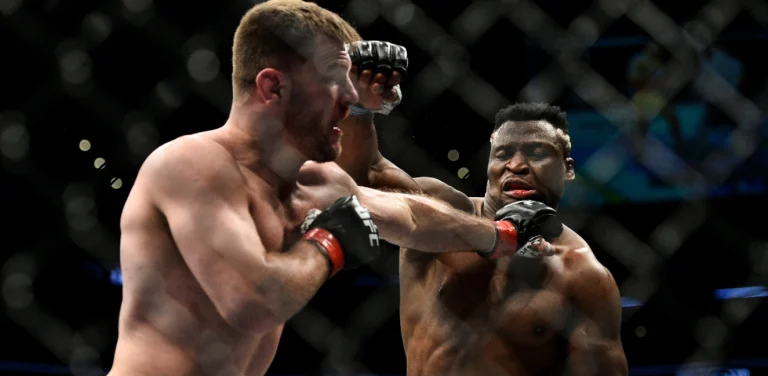
| Ngannou vs Miocic II | Wrestling defense | Rounds 1-2 | +350 | Round 2 KO | $350 |
FAQ
What makes round betting different from moneyline bets?
Round betting requires predicting the specific round a fight ends rather than simply picking the winner, creating higher risk but substantially better odds and potential returns.
Can you win big betting on early-round underdogs?
Absolutely — underdogs with knockout power regularly produce first or second-round upsets paying extremely well, especially against favorites with known durability concerns.
How to track last-minute changes before a fight?
Follow verified MMA journalists on social media, monitor state athletic commission announcements, and watch weigh-in broadcasts where physical condition becomes visible.
Do round trends help in live betting?
Yes, understanding historical round patterns helps identify value when live odds haven’t adjusted to visible in-fight factors like fatigue or damage accumulation.
What are the best tools to track stats and round history in the USA?
UFC Stats provides official MMA data, BoxRec offers comprehensive Boxing records, and subscription services like Fight Analytics provide advanced metrics for serious handicappers.