Prop bets in Boxing: knockouts, judges’ decisions
Boxing wagering extends far beyond picking winners. While casual fans focus on who raises their gloves at the final bell, experienced bettors explore deeper markets that reward research and ring knowledge. Prop betting transforms each round into a strategic puzzle where power, durability, and officiating nuance signals create opportunities invisible to mainstream markets. This guide breaks down everything from stoppage-likelihood cues to verdict-shift tendencies, helping you find value where others see only chaos.
🎯 What prop bets mean in Boxing and how they work
Proposition wagers in Boxing focus on specific fight outcomes beyond the simple winner designation. These markets ask questions like “Will the bout end before round six?” or “Will the champion win by knockout?” Instead of predicting who wins, you predict how the fight unfolds. Each Boxing prop bet carries its own odds based on fighter styles, historical performance, and precision impact factors that oddsmakers analyze before setting lines.
The mechanics follow standard betting structures. You place money on a specific scenario, and if that exact outcome occurs, you collect your payout. For example, betting $100 on a knockout finish at +150 odds returns $250 total when a stoppage happens. These wagers reward deep fight analysis because general public perception often overlooks decision-sway elements that sharp bettors recognize.
Why prop bets differ from moneyline and totals
Moneyline betting asks one question: who wins? Totals betting focuses on round counts or combined punch statistics. Boxing prop bets operate differently by targeting specific scenarios within those broader outcomes. The key distinction lies in granularity and value creation.
Consider a championship fight where Fighter A sits at -300 on the moneyline. Laying $300 to win $100 offers thin margins even when your analysis proves correct. However, the same fight might offer Fighter A by knockout at +125, rewarding $225 on that $100 stake. You still need Fighter A winning, but the specific method creates significantly better returns.
This structure rewards specialization. Bettors who understand bout-control metrics gain advantages over casual wagerers who only follow headlines. The sportsbook must set odds across dozens of proposition markets, spreading their attention thin while specialists focus intensely on select scenarios they understand deeply.
📌 Understanding Boxing prop bets
Boxing propositions span everything from round-by-round outcomes to total knockdown counts. These markets emerged as bettors demanded more engagement throughout fights rather than waiting twelve rounds for a single result. Modern platforms now offer extensive prop menus on major cards, transforming three-hour pay-per-view events into continuous betting opportunities.
What prop bets are and why bettors love them
At their core, proposition wagers isolate specific fight variables. Rather than betting on overall victory, you stake money on individual components: will there be a knockdown, which round ends the contest, does the fight reach the scorecards. This isolation creates value because oddsmakers cannot perfectly price every micro-market.
Bettors gravitate toward props for several reasons. First, the odds often exceed moneyline alternatives on equivalent outcomes. Second, deep research creates genuine edges since public money typically floods simple winner markets. Third, hedging opportunities emerge mid-fight as initial prop positions gain or lose value based on early rounds.
The psychological appeal matters too. Watching each round with stake creates engagement that moneyline betting lacks. When you hold a round five knockout ticket, rounds one through four build anticipation rather than anxiety.
Types of Boxing props: KO/TKO, decision, round props, combos
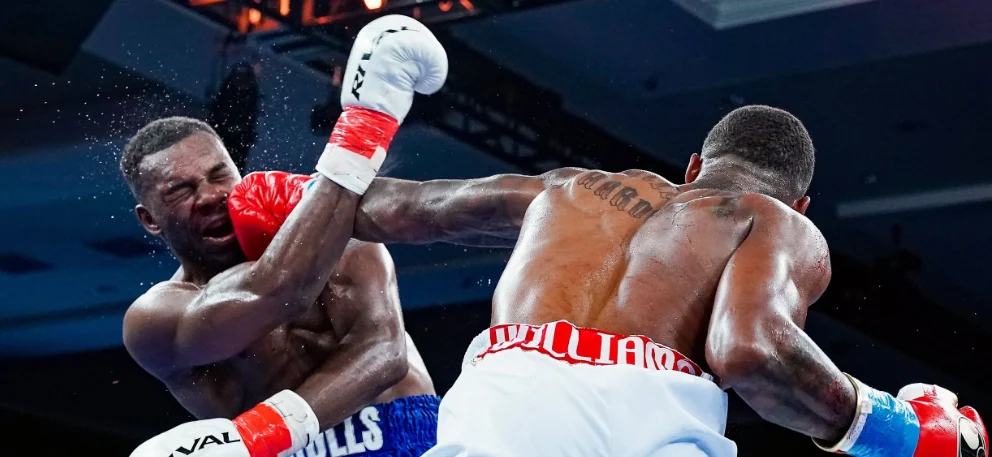
- Method of victory markets dominate Boxing propositions. These include knockout (KO), technical knockout (TKO), decision, split decision, majority decision, and disqualification. Each method carries different odds based on fighter profiles and result-evaluation patterns from previous bouts.
- Round betting allows targeting specific rounds for stoppages. You might bet Fighter B wins in rounds seven through nine, combining round range with outcome method. These pay substantial odds because the precision required makes winning difficult.
- Knockdown props count how many times fighters hit the canvas. Over/under markets on total knockdowns reward those who understand stoppage-likelihood cues and chin durability.
- Combo bets link multiple propositions together. Parlay-style structures multiply odds but require every component hitting. Fighter A by knockout in rounds one through six combines method with timing for enhanced payouts.
| Prop Type | Typical USD Odds | BTC Equivalent | Scenario |
|---|---|---|---|
| KO in rounds 1-3 | +450 | 0.0045 BTC wins 0.020 BTC | Fast finisher vs faded veteran |
| TKO rounds 7-9 | +650 | 0.0030 BTC wins 0.0195 BTC | Accumulative damage fight |
| Win by decision | -180 | 0.018 BTC wins 0.010 BTC | Two technical counter-punchers |
| Split decision | +800 | 0.0025 BTC wins 0.020 BTC | Competitive stylistic clash |
| Fight goes distance | -130 | 0.013 BTC wins 0.010 BTC | High-volume point fighters |
🌍 Best fights and events for prop betting
Not every Boxing card deserves prop betting attention. The Boxing best prop bets emerge when fighter styles create predictable patterns, when public perception diverges from technical reality, or when referee influence moments historically impact outcomes. Championship events and pay-per-view spectacles typically generate the deepest prop markets with the most liquidity.
Pay-per-view Boxing events with the highest prop action
Major events attract recreational money that inflates certain lines beyond rational levels. When casual fans bet knockouts because highlights show spectacular finishes, sharp bettors find decision value against that money. Championship unifications, legacy fights between aging stars, and crossover Boxing events generate the highest prop volumes.
Events sanctioned by major commissions in Las Vegas, New York, or international venues like London and Saudi Arabia typically see extensive prop offerings. The knockout betting odds on these cards reflect massive handle imbalances as public enthusiasm overweights exciting outcomes while undervaluing technical grinding victories.
Pro Tip:
How major fight hype affects KO and decision prop lines
Promotional machines selling pay-per-view events emphasize knockouts, violence, and definitive endings. This marketing directly impacts betting lines as casual money floods knockout markets after watching highlight reels. The imbalance creates scenario-driven outcomes where decision props offer value precisely because they lack promotional appeal.
Pre-fight narratives also skew lines. When media coverage emphasizes one fighter’s power, knockout props on that fighter attract disproportionate action. Meanwhile, the opponent’s boxing ability gets undersold, creating decision value for those who ignore narratives and study tape.
Press conference altercations further inflate knockout expectations. Genuine hostility between fighters makes public bettors expect wild exchanges rather than disciplined boxing. These emotional responses create measurable line movements that sharp bettors exploit.
Case study: close fights that turned into controversial decisions
The super middleweight clash between two undefeated champions illustrates prop value in competitive matchups. Pre-fight lines favored knockout finishes at plus-money odds because both fighters carried power. However, analysis of outcome tilt indicators suggested high boxing IQ from both corners would produce a tactical affair.
The fight went the full twelve rounds with neither fighter badly hurt. Those holding decision props at +180 collected while knockout bettors watched their tickets die around round eight when the pace settled. The controversial split decision that followed created additional value for those who specifically targeted that outcome.
Similar patterns emerge regularly when evenly matched technical fighters meet. The public wants knockouts; the reality favors points.
| Event Type | Typical Fighter Styles | Common Valuable Props |
|---|---|---|
| PPV championship | Elite vs elite | Decision, late stoppage, distance |
| Crossover event | Boxer vs YouTuber/MMA | Early KO, knockdown totals |
| Prospect showcase | Rising star vs gatekeeper | Specific round finish |
| Legacy fight | Aging champions | Decision, controversial outcome |
| Title eliminator | Hungry contenders | Stoppage either fighter |
⚠️ Common mistakes bettors make with prop bets
Even experienced bettors sabotage their prop betting by relying on faulty assumptions. The most frequent errors involve overweighting power while underweighting durability, ignoring how fight location impacts judging, and failing to account for referee influence moments that determine stoppages versus decisions.
Overestimating knockouts without analyzing durability
Knockout percentage means nothing without durability context. A fighter with 90% knockout ratio against tomato cans proves nothing about power against elite chins. Bettors frequently project stoppage outcomes based on highlight reels rather than studying how fighters perform against genuine resistance.
Chin deterioration matters more than career statistics. A fighter who absorbed significant punishment in recent bouts carries cumulative damage regardless of what records show. The best Boxing prop bets require tracking punishment absorbed, recovery time between fights, and observable signs of diminished resistance during training camp footage.
Similarly, overestimating your own fighter’s power ignores what happens when that power lands clean without producing a stoppage. Many heavy hitters become arm-weary when their best shots fail to finish opponents, transforming supposed knockout artists into exhausted decision losers.
Ignoring judges’ scoring patterns and fight location
Judging determines most professional Boxing matches, yet bettors rarely research who sits ringside. Different judges score identically fought rounds differently based on their outcome tilt indicators and personal emphasis on ring generalship versus effective aggression.
Fight location compounds this issue. Las Vegas officials score differently than Texas or New York commissions. International venues introduce additional variables including home-country favoritism, unfamiliarity with certain fighting styles, and varying tolerance for clinching or rough tactics that affect round-by-round scoring.
When analyzing decision props, identifying assigned judges should precede any other research. A judge known for favoring aggressive pressing fighters impacts lines when one combatant employs that style while the other boxes defensively.
| Common Mistake | Why It Happens | How to Avoid |
|---|---|---|
| Knockout bias | Highlights emphasize finishes | Study full fights, not compilations |
| Ignoring judges | Casual focus on fighters only | Research assigned officials before betting |
| Recency bias | Last fight memory dominates | Examine five-fight sample minimum |
| Style mismatch blindness | Looking at records not matchups | Analyze how styles interact specifically |
| Ignoring corner quality | Focus solely on fighters | Research trainer tendencies and adjustments |
📈 How styles, records, and judging trends shape prop odds
Oddsmakers set Boxing prop bets using sophisticated models incorporating fighting styles, historical knockout rates, and officiating nuance signals from assigned personnel. Understanding these inputs helps bettors identify when lines deviate from reality, creating value opportunities on specific outcomes.
Power punchers vs technical fighters – KO probability
Pure punchers and pure boxers represent opposite ends of the knockout probability spectrum. Power-first fighters load up on single shots seeking fight-ending impact. Volume boxers accumulate points through activity and defense. When these styles meet, interesting prop dynamics emerge.
The puncher typically gets knockout props at shorter odds because casual logic assumes power produces finishes. However, technical fighters specifically train to avoid those fight-ending shots. Their movement, distance management, and clinching skills reduce clean power-landing opportunities across twelve rounds.
Statistical precision impact factors favor the boxer when examining completed connections. A power puncher might land 30% of fewer total punches but with higher damage per connection. The boxer lands more frequently but with less stopping power. Prop odds should reflect this dynamic, yet public money often misprices the decision likelihood.
Judge tendencies: aggressive scoring vs defensive scoring
Boxing judging follows no universal standard. Some officials reward forward pressure and landed body shots. Others emphasize clean counter-punching and defensive responsibility. These verdict-shift tendencies directly impact which fighter accumulates scorecard advantages in competitive rounds.
Aggressive scoring judges favor pressure fighters who walk forward throwing volume. Even when counter-punchers land cleaner, more effective shots, these judges credit activity and aggression. Against this judging profile, decision props on aggressive fighters carry hidden value.
Defensive scoring judges appreciate boxing artistry, ring generalship, and clean counter-punching. Fighters who control distance and make opponents miss earn rounds even with lower punch output. Identifying these judges helps target decision props on technical boxers facing aggressive opponents.
| Fighter Style | Against Similar Style | Against Opposite Style | Best Prop Angle |
|---|---|---|---|
| Power puncher | KO either fighter | Distance/decision | Round group stoppage |
| Volume boxer | Decision likely | Decision likely | Over rounds, distance |
| Pressure fighter | Mid-round stoppage | Late decision | Knockdown props |
| Counter-puncher | Decision, few knockdowns | Decision, possible late KO | Under knockdowns |
| Body puncher | Late stoppage possible | Accumulation decision | Rounds 8-12 finish |
💡 Advanced strategies for profitable prop betting
Profitable Boxing prop bets require systematic analysis rather than intuition. Successful bettors build frameworks incorporating knockout rates, recovery capabilities, and tactical intelligence that produces scenario-driven outcomes. These methodologies transform watching film from entertainment into investment research.
Analyzing past KO rates, chin resistance & Boxing IQ
Start with knockout rate in context. How many stoppages came against world-class opposition versus regional-level opponents? Elite knockout ability proves itself against fighters who have previously shown good chins, not against those selected specifically because they fall easily.
Chin resistance analysis examines how fighters respond when hurt. Some recover quickly and survive danger moments. Others crumble once buzzed regardless of round. This distinction determines whether early hurt sequences become finishes or merely exciting moments before decision outcomes.
Boxing IQ reveals how fighters solve problems mid-fight. Intelligent boxers adjust tactics when initial approaches fail. This adaptability often produces decision victories rather than early stoppages because adjustments require rounds to implement. High-IQ fighters on both sides typically produce technical affairs favoring points verdicts.
Smart Strategy:
Using fight pace and ring control to predict decisions
Pace analysis requires watching complete fights, not highlights. Fighters who consistently push 70+ punches per round create volume that judges reward. Those averaging 40 punches per round rely on quality over quantity, a harder sell to officials scoring in real-time.
Ring control combines positioning, footwork, and distance management. The fighter controlling center ring typically earns rounds in official eyes even when both land similar effective punches. Bout-control metrics matter because judges perceive the controlling fighter as winning even during exchanges.
When both fighters emphasize pace and ring control, decisions become near-certainties. Proposition odds on these matches should reflect the distance likelihood, yet public knockout bias often keeps decision lines attractive.
📋 Steps to place smart prop bets
✅ Study last five fights for both fighters (complete footage, not highlights)
✅ Research assigned judges and their historical scoring tendencies
✅ Analyze how specific styles match up based on historical parallels
✅ Check recent injury reports and training camp information
✅ Compare knockout rates against quality opposition only
✅ Identify referee tendencies regarding stoppage thresholds
✅ Monitor line movements for sharp money indicators
❌ Avoid betting based solely on pre-fight hype or promotional narratives
❌ Never ignore location factors and home-fighter advantages
❌ Don’t overlook corner quality and between-round adjustment capability
🏆 Case studies – successful Boxing prop bets
Historical Boxing prop bets examples demonstrate how proper analysis produces profitable prop outcomes. These cases illustrate the methodology rather than guaranteeing future success, showing how research translates into winning tickets when conventional thinking misses value.
Unexpected knockouts that delivered massive payouts
The 2023 heavyweight upset saw an aging former champion knock out an undefeated rising star in round seven. Pre-fight lines made the young fighter a -600 moneyline favorite with his knockout priced at -180. The veteran’s knockout odds sat at +800, dismissed by markets emphasizing age and inactivity.
Sharp bettors identified stoppage-likelihood cues from the champion’s training camp. His conditioning appeared suspect after a two-year layoff, and his chin had shown deterioration in previous outings. Meanwhile, the veteran maintained power while the young fighter had never faced legitimate heavyweight authority.
Those who bet the underdog knockout at +800 turned $100 into $900. The same outcome on the moneyline only returned $450 at +350. Prop markets rewarded the specific scenario prediction with substantially higher returns.
Split decisions that shocked bettors and moved the lines
A welterweight title fight between two slick counter-punchers carried knockout props as low as +140 for either fighter. Analysis of both styles and the assigned judges suggested a close tactical affair where verdict-shift tendencies would determine the winner.
The fight delivered exactly that scenario. Twelve rounds of calculated boxing produced no knockdowns, few sustained exchanges, and a split decision that could have gone either way. Bettors who recognized both fighters’ decision-sway elements and targeted the split decision at +650 collected handsomely.
Post-fight line movements showed how markets adjust to demonstrated outcomes. Future matchups between technical fighters saw decision props shorten considerably as books corrected their knockout bias.
| Fight Scenario | Prop Selected | Pre-fight Odds | Stake | Return |
|---|---|---|---|---|
| Veteran vs prospect HW | Underdog KO | +800 | $100 | $900 |
| Technical welterweight | Split decision | +650 | $75 | $562 |
| Pressure vs counter | Fight goes distance | +180 | $150 | $420 |
| Body puncher showcase | KO rounds 10-12 | +550 | $50 | $325 |
| Crossover event | KO round 1 | +350 | $200 | $900 |
FAQ
What are the most popular prop bets in Boxing?
Method of victory (KO/TKO vs decision), round betting for stoppages, fight to go the distance, and total knockdown props attract the highest volumes because they offer clear outcomes with enhanced odds compared to simple moneyline wagering.
How can I predict whether a fight ends in KO or decision?
Analyze both fighters’ knockout rates against quality opposition, study chin durability through recent fight footage, and research how their styles historically interact when similar matchups have occurred.
Do judges’ tendencies matter for prop betting?
Absolutely — different judges favor aggressive pressure fighting or technical counter-punching, and these preferences directly impact which fighter accumulates scorecard advantages in competitive rounds.
What stats help identify KO potential?
Examine knockout percentage against elite opposition specifically, track power-punch landing rates, study how opponents have absorbed similar power previously, and note any signs of chin deterioration from recent punishment.
How do prop odds differ for title fights vs regular bouts?
Title fights typically see tighter prop lines due to higher betting volume and sharper analysis, while regular bouts often contain inefficiencies because books dedicate less attention to accurate pricing on lower-profile cards.