Driver vs driver matchup betting
When you’re tired of guessing the overall race winner from a field of 40 cars, driver matchup betting offers a refreshing alternative. Instead of predicting who crosses the finish line first, you simply pick which of two selected drivers will finish ahead of the other. This format strips away much of the unpredictability that comes with full-field wagering and lets you focus on direct competition between rivals. Whether you’re analyzing head-to-head flow cues or studying recent performance data, matchup bets put strategy front and center.
🎯 Understanding driver vs driver bets
Driver vs driver betting represents one of the most accessible entry points into motorsport wagering. Unlike traditional race winner bets where you compete against an entire field, matchup bets narrow your focus to just two competitors. The sportsbook pairs two drivers together, and your job is simply to determine which one will finish in a better position when the checkered flag waves. This straightforward approach has made NASCAR matchup betting increasingly popular among both casual fans and serious bettors looking for more controlled wagering opportunities.
The appeal lies in the reduced variables you need to consider. You don’t need to account for every possible scenario involving 40 different cars and drivers. Instead, you’re analyzing two specific competitors and their relative strengths, which makes research more manageable and allows bettors to develop genuine expertise in specific rivalries.
What matchup bets are and why they’re popular
A matchup bet is essentially a head-to-head proposition where two drivers are pitted against each other regardless of their overall finishing position in the race. If you bet on Driver A over Driver B, you win as long as Driver A finishes ahead of Driver B, whether that’s 1st and 5th or 25th and 30th. The only requirement is that your chosen driver crosses the line before their paired opponent, making this format accessible for bettors at all experience levels.
This format gained popularity because it offers better control over betting outcomes. Head-to-head racing bets transform the experience into something closer to a strategic chess match where bettors can study pace-comparison markers, historical performance data, and track-specific statistics to make informed decisions rather than relying on gut feelings alone.
Differences from outright and stage bets
Outright bets require you to pick the overall race winner, which means competing against 39 other possibilities with typically higher odds but near-impossible consistency. Stage bets focus on who leads at the end of each stage segment, adding another layer of complexity tied to pit strategy and fuel windows. Matchup bets eliminate these broader concerns entirely.
Your only concern is the relative performance between two specific competitors. This distinction makes matchups ideal for bettors who want to leverage detailed knowledge about driver tendencies, consistency-drift signals, and tactical-response patterns without needing to predict chaotic race outcomes.
Pro tip:
📌 How odds work for matchup bets
Understanding odds is fundamental to successful wagering, and driver matchup odds follow the same principles as other sports betting markets. Sportsbooks assign odds based on their assessment of each driver’s likelihood of beating their paired opponent. These odds fluctuate based on public betting patterns, late-breaking news about car performance, and various other factors that influence the competitive balance between the two racers.
The key difference with matchup betting is that odds tend to be tighter than outright markets. Since you’re only dealing with two possible outcomes, sportsbooks can’t hide behind large fields to maintain their edge. This means finding value requires sharper analysis, but accurate predictions are rewarded more consistently over time.
American, decimal, and fractional odds explained
American odds are the standard format used by US sportsbooks and display favorites with a minus sign and underdogs with a plus sign. A favorite listed at -150 means you must wager $150 to win $100 in profit, while an underdog at +130 returns $130 profit on a $100 stake. Decimal odds multiply your stake by the displayed number to calculate total returns, so 1.67 odds on a $100 bet returns $167 total including your original stake. Fractional odds like 2/1 indicate you win $2 for every $1 wagered, though most American bettors prefer the familiar plus/minus system.
Calculating payouts in USD and crypto
Calculating payouts requires simple math once you understand the odds format. For American odds favorites, divide 100 by the odds number and multiply by your stake; for underdogs, divide the odds by 100 and multiply by your stake. A $50 bet on +200 returns $100 profit plus your original $50. Crypto payouts work identically to USD calculations since the mathematical relationship remains constant regardless of currency denomination.
📋 Example of driver vs driver odds and payouts
Matchup odds vary significantly based on the perceived skill gap between paired drivers. The following table illustrates typical scenarios you might encounter when browsing sportsbook offerings for NASCAR events.
| 🏎️ Matchup pairing | 📊 Favorite odds | 📊 Underdog odds | 💰 $100 on favorite | 💰 $100 on underdog |
|---|---|---|---|---|
| Driver A vs Driver B | -145 | +125 | $68.97 profit | $125.00 profit |
| Driver C vs Driver D | -110 | -110 | $90.91 profit | $90.91 profit |
| Driver E vs Driver F | -200 | +170 | $50.00 profit | $170.00 profit |
| Driver G vs Driver H | +105 | -125 | $105.00 profit | $80.00 profit |
📌 Key factors influencing matchup bets
Successful NASCAR matchup betting demands attention to multiple performance indicators that influence head-to-head outcomes. Raw speed matters, but so does consistency, adaptability, and the ability to execute clean races without costly mistakes. The best approach combines quantitative data with qualitative assessment because numbers tell part of the story, but understanding momentum-shift tendencies and how drivers respond under pressure completes the picture.
Driver form, team performance, and head-to-head history
Current form provides the foundation for any matchup analysis. A driver who’s finished top-10 in five consecutive races brings different expectations than one struggling to crack the top-20. However, form must be contextualized within team performance because NASCAR success depends heavily on equipment quality and crew execution.
Head-to-head history reveals patterns that statistics alone might miss. Some drivers consistently beat certain opponents regardless of their overall results, suggesting matchup-tilt phases where specific skill advantages emerge. Reviewing the last 10-15 direct comparisons between paired drivers often uncovers reliable tendencies that predict future outcomes better than aggregate statistics.
Track type, conditions, and qualifying performance
NASCAR’s diverse schedule includes short tracks, intermediate ovals, superspeedways, and road courses, with each category rewarding different skills. A superspeedway specialist might dominate at Daytona but struggle on the tight confines of Martinsville. Qualifying performance indicates single-lap speed but doesn’t always translate to race pace since some drivers focus on race setup and work through the field. Weather conditions add another variable as certain drivers excel in hotter conditions where tire management becomes critical, creating position-control dynamics that separate casual observers from informed bettors.
Pit strategy, car setup, and race incidents
Pit crew execution directly impacts finishing position, and some teams consistently gain or lose positions during stops. A driver with faster car speed might still lose a matchup if their team botches pit sequences repeatedly. Race incidents introduce randomness that’s impossible to predict but can be partially accounted for through historical analysis. Some drivers avoid trouble more effectively than others, demonstrating superior spatial awareness and rivalry-intensity traits that matter most at tight tracks and superspeedways.
💡 Factors to consider before placing matchup bets
✅ Recent finishing positions at similar track types
✅ Lap-time variation hints from practice sessions
✅ Head-to-head record over the past two seasons
✅ Team pit crew performance metrics
❌ Relying solely on season points standings
❌ Ignoring qualifying results entirely
🌍 Popular events for driver vs driver betting
Major NASCAR events attract the heaviest betting action and typically offer the most diverse matchup selections. Crown jewel races draw additional attention from casual bettors, creating potential value opportunities for those who’ve done deeper research. Sportsbooks generally release more head-to-head racing odds for marquee events because public interest justifies the additional markets, allowing bettors to find favorable pairings that might not be available during smaller races.
Daytona 500, Brickyard 400, and NASCAR Playoffs
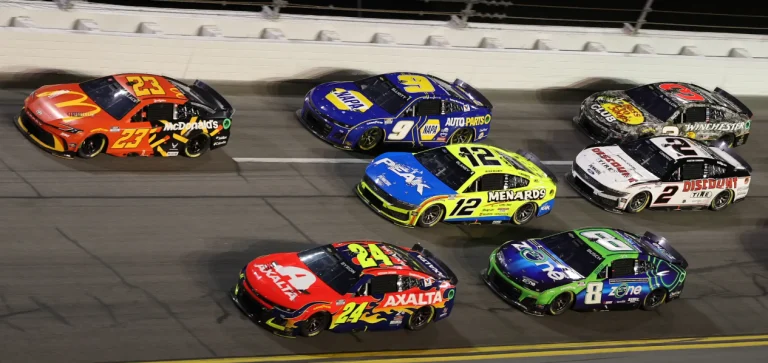
The Daytona 500 opens the season with superspeedway racing where pack dynamics create unpredictable finishes. Matchup betting here requires understanding drafting tendencies and plate racing skill-impact indicators since some drivers consistently navigate the chaos better than others. The Brickyard 400 at Indianapolis tests intermediate track speed on NASCAR’s most prestigious oval. Playoff races carry elevated stakes that sometimes expose drivers who struggle under pressure, with championship-round events at Phoenix providing concentrated opportunities because the field narrows to just four title contenders.
Using race competitiveness and field depth to find value
Field depth describes how many drivers realistically compete for top positions, with tighter competition increasing variance and making underdog picks more viable in matchup markets. Value emerges when public perception diverges from actual probability. Popular drivers often attract disproportionate betting action, pushing their odds below fair value. Recognizing these situations requires tracking odds movements and understanding when line shifts reflect sharp money versus casual public bias.
| 🏆 Event | 🛣️ Track type | 📊 Odds range | ⚡ Upset frequency | 🎯 Difficulty |
|---|---|---|---|---|
| Daytona 500 | Superspeedway | -130 to +110 | High | Hard |
| Coca-Cola 600 | Intermediate | -175 to +150 | Medium | Moderate |
| Southern 500 | Intermediate | -160 to +140 | Medium | Moderate |
| Bristol Night Race | Short track | -150 to +130 | Low-medium | Easier |
| Championship Race | Intermediate | -200 to +175 | Low | Moderate |
💡 Advanced matchup betting strategies
Moving beyond basic analysis requires developing systematic approaches that combine multiple information sources into coherent betting frameworks. Advanced bettors don’t rely on single factors; they build models that weigh various inputs according to their predictive importance for specific situations. The most successful strategies incorporate flexibility because what works at superspeedways differs dramatically from short track approaches.
Combining matchup bets with outright and stage bets
Sophisticated bettors often combine correlated wagers to maximize returns on high-confidence situations. If you believe a specific driver will dominate a race, backing them in both outright and matchup markets concentrates your exposure on that outcome. Stage bets provide mid-race settlement opportunities that can fund live betting activity or lock in partial profits. Some bettors use early stage results to inform later matchup decisions, treating the race as an evolving information stream rather than a single betting event.
Live betting adjustments based on race developments
Live NASCAR matchup betting transforms static pre-race positions into dynamic opportunities. Watching how drivers respond to track conditions, how their cars handle in traffic, and how they manage tire wear reveals information unavailable before the green flag. These tactical-response patterns become visible only during race action. Quick adjustments capitalize on fleeting mispricings when a heavily-favored driver struggles in early laps and their matchup odds lag behind reality temporarily.
📋 Steps to place smarter driver vs driver bets
1️⃣ Identify track type and review both drivers’ historical performance
2️⃣ Check recent form over the past 4-6 races
3️⃣ Review direct head-to-head record between paired drivers
4️⃣ Analyze practice and qualifying speeds
5️⃣ Shop odds across multiple sportsbooks
6️⃣ Monitor line movements before placing final wagers
⚠️ Common mistakes in matchup betting
Even experienced bettors fall into predictable traps that erode profits over time. Recognizing these patterns in your own behavior represents the first step toward eliminating costly habits. Most mistakes stem from incomplete analysis or emotional decision-making that overrides logical assessment, and learning from errors accelerates improvement more effectively than celebrating successes.
Pro tip:
Ignoring track-specific driver strengths
Some bettors treat all races identically, applying the same evaluation criteria regardless of venue. This approach ignores that NASCAR’s diverse schedule rewards different skillsets at different locations. A driver who excels on road courses might struggle at restrictor plate races, making blanket assessments dangerously misleading. Track-specific analysis takes more time but produces significantly better results.
Overlooking head-to-head history
Direct comparison history often predicts future matchup outcomes better than aggregate statistics. Two drivers might have identical season averages yet show consistent patterns when paired directly against each other. These skill-impact indicators emerge only through dedicated head-to-head review. Recency matters when evaluating historical matchups since a rivalry’s dynamics can shift as equipment changes and experience accumulates.
Betting without monitoring odds fluctuations
Odds movement provides information about where sharp money flows and how public perception evolves. Placing bets without tracking these shifts means potentially accepting worse prices than available earlier or missing warning signs that informed bettors see differently. Line shopping across multiple sportsbooks reveals the consensus view while identifying outliers that might represent value opportunities.
| ❌ Mistake | ⚠️ Consequence | 🔴 Impact | ✅ Prevention |
|---|---|---|---|
| Ignoring track type | Wrong driver assessment | High | Build track-specific databases |
| Skipping head-to-head review | Missing predictive patterns | Medium | Review last 10+ comparisons |
| Not shopping odds | Accepting worse prices | Medium | Use multiple sportsbooks |
| Chasing losses | Bankroll depletion | High | Set strict betting limits |
| Overvaluing recent results | False confidence | Medium | Use larger sample sizes |
🏆 Case studies – successful matchup bets
Examining specific examples illustrates how theoretical concepts apply in real situations. Pattern recognition improves through repeated exposure to diverse scenarios, and the more situations you analyze, the better equipped you become to identify similar setups when they recur. These case studies demonstrate both successful approaches and instructive failures that offer valuable lessons.
Head-to-head bets that delivered big payouts
Notable NASCAR matchup betting upsets often share common characteristics identifiable beforehand with proper analysis. When an underdog driver posts strong practice speeds at a track where they historically perform well, smart bettors recognize the value opportunity even if public perception hasn’t caught up. Superspeedway races produce the most dramatic upsets because pack racing creates equalizing effects that diminish equipment advantages.
Lessons from unsuccessful bets
Losses teach more than wins when analyzed honestly. Common failure patterns include overweighting single strong performances, ignoring relevant contextual factors like weather changes, and failing to account for consistency-drift signals that indicated declining form. Documentation matters because keeping records of why you placed each bet and why it succeeded or failed creates a personal database of lessons that accelerates learning.
How pros exploit matchup trends
Professional bettors develop systematic advantages through superior information processing and disciplined execution. They build comprehensive databases tracking every relevant variable and identify situations where public perception creates exploitable mispricings. Pros also manage risk more effectively than recreational bettors by sizing positions according to confidence levels and never letting emotions override analytical conclusions.
| 🔢 Step | 🔍 Analysis | 📋 Finding | 🎯 Impact |
|---|---|---|---|
| 1️⃣ | Track review (10-race history) | Underdog led 7-3 | Identified overlooked strength |
| 2️⃣ | Recent form (last 5 finishes) | Both in similar form | Negated favorite’s advantage |
| 3️⃣ | Practice speeds | Underdog consistently faster | Confirmed competitiveness |
| 4️⃣ | Odds comparison | Found +145 vs +120 elsewhere | Secured better value |
| 5️⃣ | Final decision | Underdog had edge at fair price | Placed wager confidently |
FAQ
How do driver matchup bets work in NASCAR?
You pick which of two paired drivers will finish ahead of the other regardless of overall finishing position; if your selection beats their opponent, you win the bet.
Can underdogs be profitable in head-to-head betting?
Yes, underdogs in NASCAR matchup wagering can be profitable especially at superspeedways where pack racing creates unpredictable outcomes favoring plus-money selections.
How do track conditions affect matchup odds?
Track conditions shift driver matchup wagers because some racers excel in specific weather, with hot conditions favoring drivers skilled at tire management.
Which websites provide accurate NASCAR stats in the USA?
Racing Reference, NASCAR’s official statistics page, and team websites offer comprehensive driver statistics useful for analyzing head-to-head racing wagers.
How to calculate payouts in USD and crypto for matchup bets?
For American odds, divide 100 by the favorite’s number or divide the underdog’s number by 100, then multiply by your stake; crypto follows identical formulas.