Popular prop bets in NASCAR
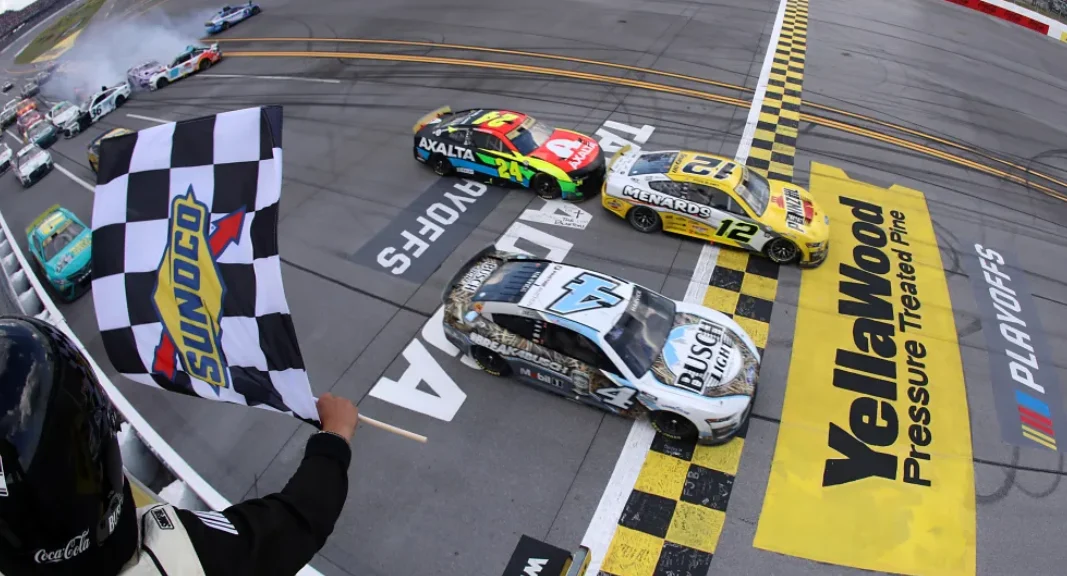
Stock car racing offers far more than picking a winner. Seasoned bettors know that the real action often happens in the margins — predicting who leads specific laps, how many cautions occur, or which driver captures a stage victory. These secondary markets transform every restart into a fresh opportunity. This guide breaks down everything you need to know about race props wagering, from understanding basic concepts to advanced strategies that separate profitable bettors from casual fans.
🎯 Understanding prop bets in NASCAR
Proposition wagers represent one of the most dynamic segments of motorsport gambling, allowing you to bet on specific outcomes within a race rather than just the final result. Unlike traditional win markets, these NASCAR prop bets focus on isolated events that unfold throughout 400 or 500 miles of intense competition. The appeal lies in their granularity — you’re not locked into a three-hour commitment wondering if your driver will triumph. Instead, you can target achievable milestones like finishing in the top ten or leading at least one lap during the event.
What prop bets are and why they’re popular
A prop bet is any wager that doesn’t directly depend on the final race outcome — think of it as betting on the journey rather than the destination. You might wager on whether Kyle Larson leads more than 50 laps, if there will be over six caution periods, or which manufacturer finishes highest on average. These markets have exploded in popularity because they provide action throughout the entire event, often carry better value than outright markets, and allow specialization in specific analytical areas.
The variety is nearly endless, from driver-versus-driver matchups to manufacturer battles, from lap-led totals to qualifying position props. Bettors who study stage-leader cues and pit-stop efficiency markers often find consistent edges that remain hidden from casual observers. Sportsbooks dedicate significant resources to setting accurate win odds, but prop lines sometimes receive less scrutiny, creating opportunities for informed bettors.
Differences from outright, matchup, and stage bets
Understanding how props differ from other NASCAR markets helps you allocate your bankroll effectively. Outright bets are straightforward — pick the race winner — but carry the lowest probability of success given typical fields of 36-40 cars. Matchup bets pit two drivers head-to-head regardless of where they finish overall, neutralizing the chaos inherent in NASCAR racing since you only need your selection to outperform one specific competitor.
Stage NASCAR prop bets focus on the two intermediate checkpoints in each race where NASCAR awards points at predetermined lap counts. Stage winners are often more predictable than race winners because fuel strategy and late-race incidents haven’t yet scrambled the field. Props occupy unique territory by covering everything else — statistical outcomes, in-race events, and performance benchmarks. This is where understanding caution-flag trends and lap-lead variability becomes genuinely profitable.
Pro tip:
📌 Types of popular NASCAR prop bets
The variety of proposition markets available for major NASCAR events continues expanding as sportsbooks recognize bettor demand for granular action. From conservative plays targeting near-certainties to high-risk propositions offering substantial payouts, understanding each category helps you build a balanced betting portfolio. NASCAR prop bets today span dozens of different outcomes, each with unique characteristics and analytical approaches.
Top 5 and top 10 finishes
Finish position props represent the bread and butter of NASCAR proposition betting. A top five finish typically pays between -150 and +300 depending on the driver, while top ten markets offer more conservative odds ranging from -300 for elite drivers to +150 for midfield runners. These bets reward consistency analysis — a driver who finishes 3rd, 7th, 4th, and 6th across four races might not capture any wins, but they’d cash top ten bets every single week.
Track-specific NASCAR prop bets today performance matters enormously here since some drivers dominate at short tracks but struggle on superspeedways. Building a database of track-type performance helps identify value when books set lines based on overall statistics rather than venue-specific results. Teams like Hendrick Motorsports and Joe Gibbs Racing historically produce multiple drivers capable of top ten runs week after week.
Laps led, fastest laps, and stage winners
Statistical props require deeper analytical work but often provide the best edges for prepared bettors. Laps led markets ask whether a specific driver will lead more or fewer than a posted number, typically ranging from 20 to 100 laps depending on the driver and track. Speed-burst signals from practice sessions help predict which cars have the raw pace to run at the front.
Stage winners represent perhaps the most accessible statistical prop for newer bettors — with only two stages and approximately 8-12 realistic contenders for each, your probability of selecting correctly far exceeds outright race betting. Watch for drivers who qualify well and avoid early-race problems since they’re positioned perfectly to capture stage points. Overtaking-momentum hints from early laps often reveal which drivers have cars capable of racing forward to stage victories.
Margin of victory and finishing positions
More exotic props cover scenarios like winning margin and specific finishing positions. Margin of victory typically offers over/under lines around 1-3 seconds, with variations for superspeedway races where photo finishes occur more frequently. Specific position props carry longer odds but reward precise predictions — these bets make sense when you’ve identified a driver likely to run well but unlikely to win. Manufacturer props ask which brand will score the best average finish or place the most cars in the top ten, requiring understanding of fleet-wide performance trends.
| Prop bet type | Example line | Odds | 💵 $100 payout |
|---|---|---|---|
| 🏁 Top 5 finish | Kyle Larson top 5 | -120 | $183.33 |
| 🔟 Top 10 finish | Chase Elliott top 10 | -200 | $150.00 |
| 📊 Laps led O/U | Denny Hamlin O/U 30.5 | -110 | $190.91 |
| ⚡ Fastest lap | William Byron | +350 | $450.00 |
| 🏆 Stage 1 winner | Martin Truex Jr. | +800 | $900.00 |
| 🎯 Exact position | Tyler Reddick 4th | +1500 | $1,600.00 |
| ⏱️ Margin of victory | Under 2.5 seconds | -105 | $195.24 |
📌 Key factors influencing prop bets
Successful race props betting requires integrating multiple information streams into coherent predictions. Unlike stick-and-ball sports where matchup analysis dominates, motorsport betting demands understanding mechanical variables, environmental conditions, and strategic decisions made in real-time. The factors below represent your analytical foundation — master them before placing serious money on prop NASCAR bets.
Driver form, car performance, and team strategy
Recent performance provides your baseline expectation for any driver. A competitor riding a three-race streak of top tens enters each event with confidence and a well-sorted car, while someone struggling through a rough patch might be battling mechanical issues their team hasn’t resolved. Car performance varies significantly from track to track even within single seasons — practice speeds reveal which organizations found something with their baseline setup.
Team strategy significantly impacts prop outcomes since some crew chiefs prefer track position and short-run speed, while others set up for long-run pace. Understanding these tendencies helps predict stage performance versus overall results. Risk-pressure indicators emerge when teams face playoff pressure or need strong finishes, often producing aggressive strategy calls that increase variance in outcomes.
Track type, conditions, and historical trends
NASCAR visits four distinct track types: superspeedways, intermediate ovals, short tracks, and road courses. Each configuration produces dramatically different betting dynamics. Superspeedways generate pack racing where positions change constantly and underdogs regularly contend for victories — props involving laps led become especially interesting since drafting allows mid-pack cars to surge forward temporarily.
Intermediate tracks generally favor top-tier equipment, making driver props more predictable but often carrying prohibitive odds. Short tracks emphasize driver skill over pure equipment advantages and historically produce more lead changes. Endurance-fluctuation patterns become visible as tire wear impacts handling throughout long runs. Road courses represent the most specialized skill set where drivers with sports car backgrounds typically outperform their oval results.
Pit stops, weather, and in-race incidents
Variables beyond car speed dramatically influence race outcomes and prop results. Pit stop execution can gain or lose multiple positions per stop — teams averaging sub-12-second stops hold substantial advantages over those running 13-14 seconds consistently. Weather creates significant betting opportunities since impending rain changes everything about strategy, pit timing, and tire selection.
In-race incidents produce the unpredictability that makes NASCAR simultaneously exciting and challenging to bet. Scenario-driven outcomes emerge from crashes, penalties, and mechanical failures that eliminate contenders unexpectedly. Over/under props on caution periods carry significant variance since single multi-car incidents can push totals well beyond posted lines.
💡 Factors to consider before placing prop NASCAR bets
✅ Recent driver results (last 4-6 races)
✅ Track-specific historical performance
✅ Practice session speeds and long-run pace
✅ Weather forecasts for race day
✅ Playoff implications affecting strategy
❌ Avoid betting based solely on driver popularity
❌ Don’t ignore track-type specialization
🌍 Popular events for prop betting
Major NASCAR events attract the deepest prop markets and highest betting volumes, creating both opportunities and challenges for serious bettors. Sportsbooks invest more resources into setting accurate lines for marquee races, but increased liquidity also means sharper odds and more information available for analysis. NASCAR prop bets today during major events offer dozens of unique markets unavailable during regular season points races.
Daytona 500, Brickyard 400, and NASCAR Playoffs
The Daytona 500 kicks off each season as NASCAR’s most prestigious event, drawing massive betting handle and comprehensive prop offerings. Superspeedway dynamics make this race notoriously unpredictable — pack racing creates constant lead changes and multi-car incidents that shuffle running order repeatedly. Props involving laps led or stage wins become particularly interesting since even mid-tier drivers can lead laps through drafting.
The Brickyard 400 at Indianapolis Motor Speedway carries historical significance with its unique track surface producing distinct handling characteristics that reward experienced drivers. The NASCAR Playoffs represent ten weeks of elimination racing where stakes reach their highest point — drivers outside the cutline make aggressive strategic calls that increase variance in outcomes. Race-phase shifts during playoff races create opportunities that savvy bettors can anticipate and exploit.
Using event prestige and field depth to find value
Event prestige affects NASCAR prop bets markets through field composition and preparation levels. Crown jewel events draw maximum team effort, typically reducing variance in top-tier performance, while regular season races at less prominent venues sometimes catch teams underprepared. Field depth impacts props involving specific positions since some races attract part-time entries that pad field size without adding competitive depth, making top ten props easier to cash.
| 🏁 Event | 🛣️ Track type | 💰 Favorite odds | ⭐ Underdog value |
|---|---|---|---|
| 🏆 Daytona 500 | Superspeedway | +500 to +1200 | ⭐⭐⭐⭐⭐ |
| 🎯 Coca-Cola 600 | Intermediate | +300 to +600 | ⭐⭐⭐ |
| 🧱 Brickyard 400 | Unique layout | +400 to +800 | ⭐⭐⭐ |
| 🏴 Southern 500 | Intermediate | +350 to +700 | ⭐⭐⭐ |
| 🌀 Talladega | Superspeedway | +600 to +1500 | ⭐⭐⭐⭐⭐ |
💡 Advanced prop betting strategies
Moving beyond basic prop selection requires integrating multiple markets and adapting to live race developments. Expert bettors rarely rely on single wagers, instead constructing portfolios that hedge risks while maintaining upside potential. These advanced approaches separate profitable long-term bettors from those chasing short-term luck.
Combining prop bets with outright and matchup markets
Portfolio construction represents the hallmark of sophisticated race props wagering. Rather than betting $100 on a single outcome, experienced bettors spread exposure across correlated markets that share risk while diversifying payout scenarios. For example, if you believe Driver A will have an exceptional race, you might allocate $40 to the win at +800, $30 to top three at +150, and $30 to over their laps led line at -110. This structure guarantees profit if they win while still returning money if they run well but don’t capture victory.
Opposite correlations also present opportunities — if you bet under on total cautions, you might pair this with favorites in head-to-head matchups since clean racing tends to favor faster cars. Matchup props offer natural hedging opportunities when your outright selection is running second behind an unexpected leader.
Adjusting bets based on live race developments
Live betting transforms NASCAR proposition markets into dynamic opportunities that reward attention and quick analysis. As races unfold, sportsbooks adjust lines based on running positions, damage, and strategic situations — bettors watching closely can identify mispriced lines before books catch up. Race-phase shifts create specific live betting windows where recent events haven’t yet been fully incorporated into odds.
Pit stop efficiency markers become visible during live racing, helping predict which drivers will meet or exceed their position props. Teams executing clean stops gain positions that compound throughout the race, while those making mistakes face uphill battles. Tracking pit road performance in real-time provides actionable intelligence.
| Step | 📝 Action | 🎯 Purpose |
|---|---|---|
| 1️⃣ | Review practice and qualifying | Identify cars with speed |
| 2️⃣ | Check track history | Find venue specialists |
| 3️⃣ | Analyze recent form | Confirm competitiveness |
| 4️⃣ | Compare lines across books | Locate best odds |
| 5️⃣ | Consider weather impacts | Account for variables |
| 6️⃣ | Monitor line movements | Spot sharp indicators |
⚠️ Common mistakes in NASCAR prop betting
Even experienced sports bettors make predictable errors when transitioning to motorsport markets. The unique dynamics of stock car racing create traps that claim bankrolls from those who haven’t adjusted their analytical frameworks. Recognizing these patterns in your own betting helps avoid expensive lessons.
Pro tip:
Overestimating favorites without context
The most common prop betting mistake involves blindly backing favorites without understanding why they’re favored. Betting -250 on a top ten finish requires winning 71% of the time just to break even — a threshold even elite drivers rarely maintain across all track types. Favorites encounter the same random variance as everyone else through mechanical failures, pit road mistakes, and getting collected in incidents. Value exists in recognizing when favorites are underpriced versus appropriately priced based on venue-specific factors.
Ignoring driver or track-specific trends
NASCAR features 36 points-paying events annually across wildly different venues, and treating all races equally ignores the specialization that defines modern Cup Series competition. Superspeedway specialists provide value at restrictor-plate tracks that disappears entirely at intermediate ovals, while road course ringers deliver results on twisty layouts that don’t translate to oval racing. Ignoring these patterns leads to betting on overall statistics rather than relevant performance indicators — a driver averaging 15th place finishes might seem average, but if their superspeedway average is 8th while their intermediate average is 19th, the aggregate number masks useful information.
Betting without monitoring odds movement
Line movement reveals market sentiment and sharp bettor activity. Steam moves suggest coordinated sharp action on specific props, while reverse line movement reveals sportsbook respect for sharp money over public volume. If 70% of bets land on a driver’s over but the line drops from 35.5 to 33.5 laps led, sharps clearly prefer the under despite public support.
| ❌ Mistake | ⚠️ Consequence | ✅ Better approach |
|---|---|---|
| 🎰 Backing favorites blindly | Negative expected value | Seek +EV situations |
| 📉 Ignoring track data | Mispriced assessments | Build track databases |
| 💸 Chasing losses | Bankroll depletion | Consistent unit sizing |
| 🌧️ Neglecting weather | Strategy surprises | Check race day forecasts |
| 👥 Following public blindly | Buying inflated lines | Monitor sharp indicators |
🏆 Case studies – successful prop bets
Examining specific examples illustrates how analytical approaches translate into profitable outcomes. These case studies demonstrate both the potential and limitations of disciplined prop betting through realistic scenarios rather than cherry-picked outliers.
Prop bets that delivered big payouts
The 2023 Daytona 500 provided multiple prop betting opportunities for prepared bettors. Ricky Stenhouse Jr. entered as a +4000 outright longshot but carried strong superspeedway credentials with previous Talladega victories. Bettors who recognized his restrictor-plate expertise found value in his top five prop at +600 and his laps led over at +180 — when Stenhouse captured the win, those diversified across his props collected substantial returns.
Caution props during early-season races often provide structural edges since teams run untested equipment that historically produces more mechanical failures. Betting over on caution totals during the first few races each season has shown consistent profitability as books underweight this pattern.
Lessons from unsuccessful bets
Losing bets teach more than winners when analyzed properly. Consider betting under on cautions at Bristol based on recent low-caution trends, only to lose when track surface matured and incidents returned to historical norms. The lesson: understand why recent trends exist and whether underlying conditions support their continuation — surface changes, rules modifications, and tire compound updates can invalidate historical patterns overnight.
How pros exploit prop bet trends
Professional NASCAR bettors focus on repeatable edges rather than individual predictions, tracking specific metrics across seasons to identify structural mispricings. Weather-adjusted projections create opportunities when rain threatens since strategy compression produces predictable position volatility. Pit stall analysis helps predict which cars will gain positions during race-long pit cycles. Manufactured drama around playoff cutlines creates exploitable situations where aggressive calls increase incident probability.
| 🏁 Phase | 📊 Analysis | 🎯 Decision |
|---|---|---|
| 📅 Pre-race week | Track history review | Initial targets identified |
| 🔧 Practice day | Speed chart analysis | Targets confirmed/eliminated |
| 🏎️ Qualifying | Starting position data | Line shopping begins |
| ☀️ Race morning | Weather and final odds | Final bets placed |
| 🚦 Live racing | Running positions, pit quality | Live opportunities exploited |
FAQ
What are the most popular prop bets in NASCAR?
Top five and top ten finishes generate the highest volume alongside laps led props and stage winner markets. Caution count over/unders and head-to-head driver matchups also attract significant action from experienced bettors.
Can underdogs be profitable with prop bets?
Absolutely — superspeedway races especially offer value on longshots since pack racing creates genuine winning opportunities for mid-tier teams. Top ten props on underdogs often provide positive expected value during restrictor-plate events.
How do track conditions affect prop bets?
Fresh pavement reduces tire wear and typically lowers caution totals while aged surfaces increase incidents. Temperature affects grip levels, impacting both qualifying speeds and race pace predictions significantly.
Which websites provide accurate NASCAR stats in the USA?
Racing-Reference.info offers comprehensive historical data while NASCAR.com provides official statistics. Loop Data tracks advanced metrics like average running position and quality passes for deeper analysis.
How to calculate payouts in USD and crypto for prop bets?
For American odds, positive numbers show profit on $100 bets while negative numbers indicate required wagers to win $100. Crypto payouts convert using current exchange rates at settlement time.