Top Seeds Announced: Duke, Arizona, Michigan, Florida Lead NCAA Tournament Field
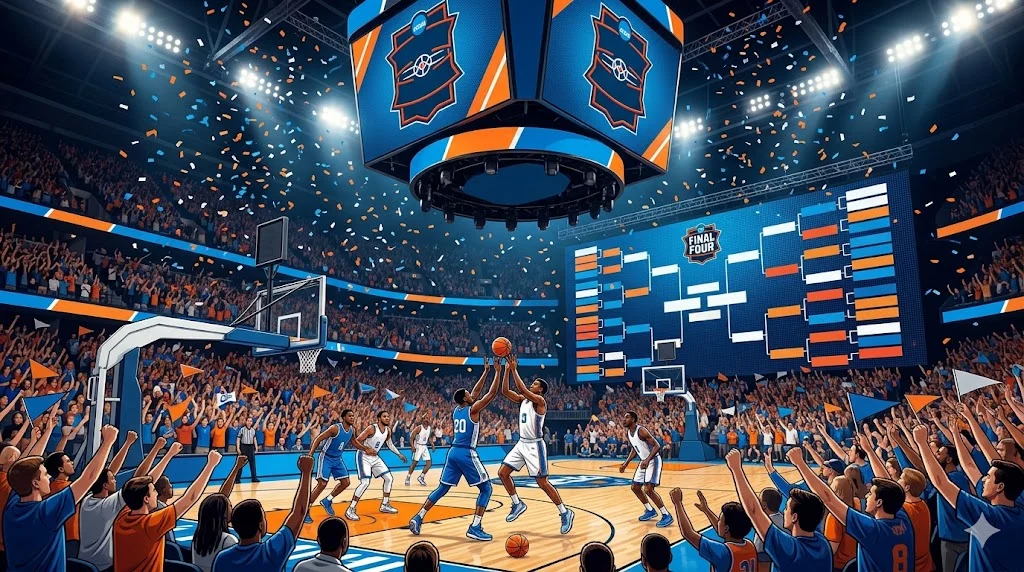
The 2026 NCAA Tournament field is set, and Selection Sunday delivered everything college basketball fans could want — a dominant No. 1 seed, a legitimate underdog story and enough betting intrigue to make the next three weeks truly unpredictable. Duke leads the way, but the road to Indianapolis on April 6 is wide open.
🏀 The No. 1 Seeds: Duke, Arizona, Michigan, Florida
Duke takes the top overall line in the 2026 NCAA Tournament with the most wins in the country and the shortest odds to cut down the nets. At +300 to win the title, the Blue Devils are the clear consensus favorite heading into March Madness — though they know better than anyone that a No. 1 seed is no guarantee in this format.
Tied with Duke for the best record in the country, Arizona earned a top seed and enters the tournament as one of three teams capable of making a serious run to the final. Tied with Duke in wins but seeded just behind them on Selection Sunday.
Michigan dropped a notch in the seedings after an eight-point loss to Purdue in the Big Ten Tournament final — but remains a +360 title co-favorite. The Wolverines had the overall No. 2 seed in their pocket before that defeat, and a slight slip in the bracket is unlikely to dampen their championship expectations.
Florida enters the 2026 NCAA Tournament as the defending champion, trying to repeat their 2006-07 back-to-back titles. Last season, the Gators were part of an all-No. 1 Final Four — the first time that had happened in 17 years. A potential rematch with No. 2 seed Houston in the South Regional adds a compelling storyline, with the Cougars set to host the regional final in their own city if they advance.
2026 NCAA Tournament South Regional watch: If both Florida and Houston advance, the Cougars would host the regional final in their home city — something the NCAA tries to avoid but couldn’t prevent this cycle. Florida coach Todd Golden put it diplomatically: “There are worse problems in the world.”
🏀 The Best Underdog Story: Miami (Ohio) RedHawks
The RedHawks finished the regular season undefeated — 31-0 before a late loss flipped them from lock to bubble team overnight. They survived Selection Sunday as an 11-seed but must win a First Four game against SMU on Wednesday before the main bracket even begins. The selection committee ranked them last among the 37 at-large teams, citing a 339th-ranked strength of schedule and zero Quadrant 1 wins. But they also bring the nation’s second-ranked scoring offense and strong efficiency metrics. DraftKings has them at 1,500-1 to win it all — long odds, but real ones.
The RedHawks are 8.5-point underdogs against SMU in the First Four. A win would be the first step in one of the more remarkable underdog runs the 2026 NCAA Tournament could produce. Miami forward Eian Elmer summed it up best: “It’s hard to leave a team that’s 31-0 in a regular season out. It just wouldn’t look right for the sport.”
🏀 Notable Seeds and Surprises
Key Seeds and First-Round Matchups to Know
Purdue Boilermakers (2-seed) — Boosted to a 2-seed after beating Michigan in the Big Ten Tournament final. Head to St. Louis to face first-time tournament participant Queens.
St. John’s Red Storm (5-seed) — Won the Big East title by 20 points over UConn, but a weak non-conference showing kept them at No. 5 all season. Travel to San Diego to face Northern Iowa in Round 1.
Houston Cougars (2-seed, South) — Could host the South Regional final in their own building if they advance. The potential Florida rematch is already the most-watched storyline in that region.
Left out: San Diego State, Indiana, Oklahoma and Auburn all missed the 68-team field. The Tigers (16 losses, 3rd-toughest schedule in the country) drew the loudest complaints from former coach Bruce Pearl: “They played the toughest schedule in the country and I don’t know if they were rewarded for it.”
🏀 Conference Breakdown: SEC Dominates
The SEC placed 10 teams in the 2026 NCAA Tournament — four fewer than their record from last season but still the most of any conference. The Big Ten followed with nine, while the ACC and Big 12 each landed eight teams. Conference expansion and NIL spending have concentrated talent at the top, and the bracket reflects it.